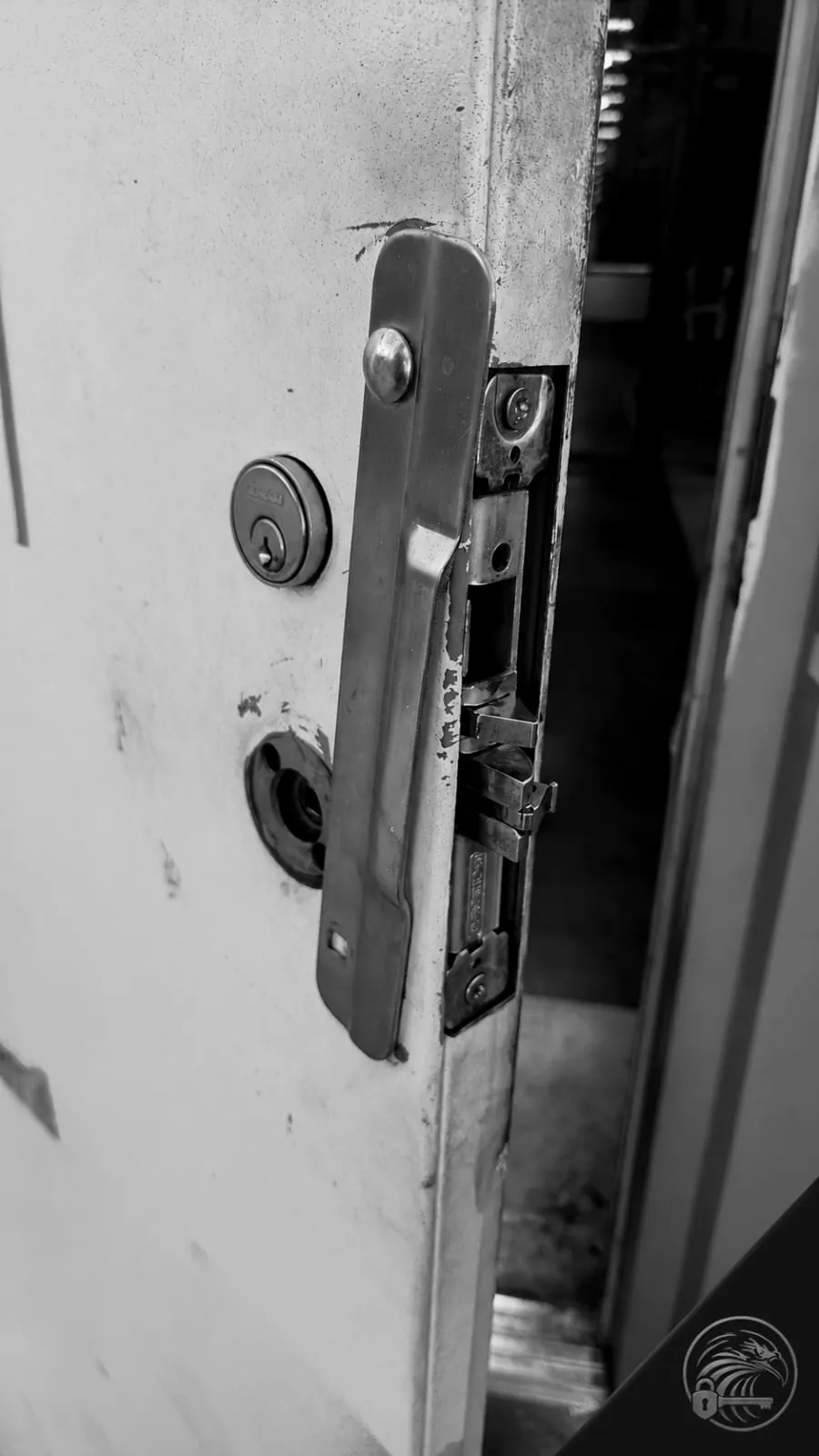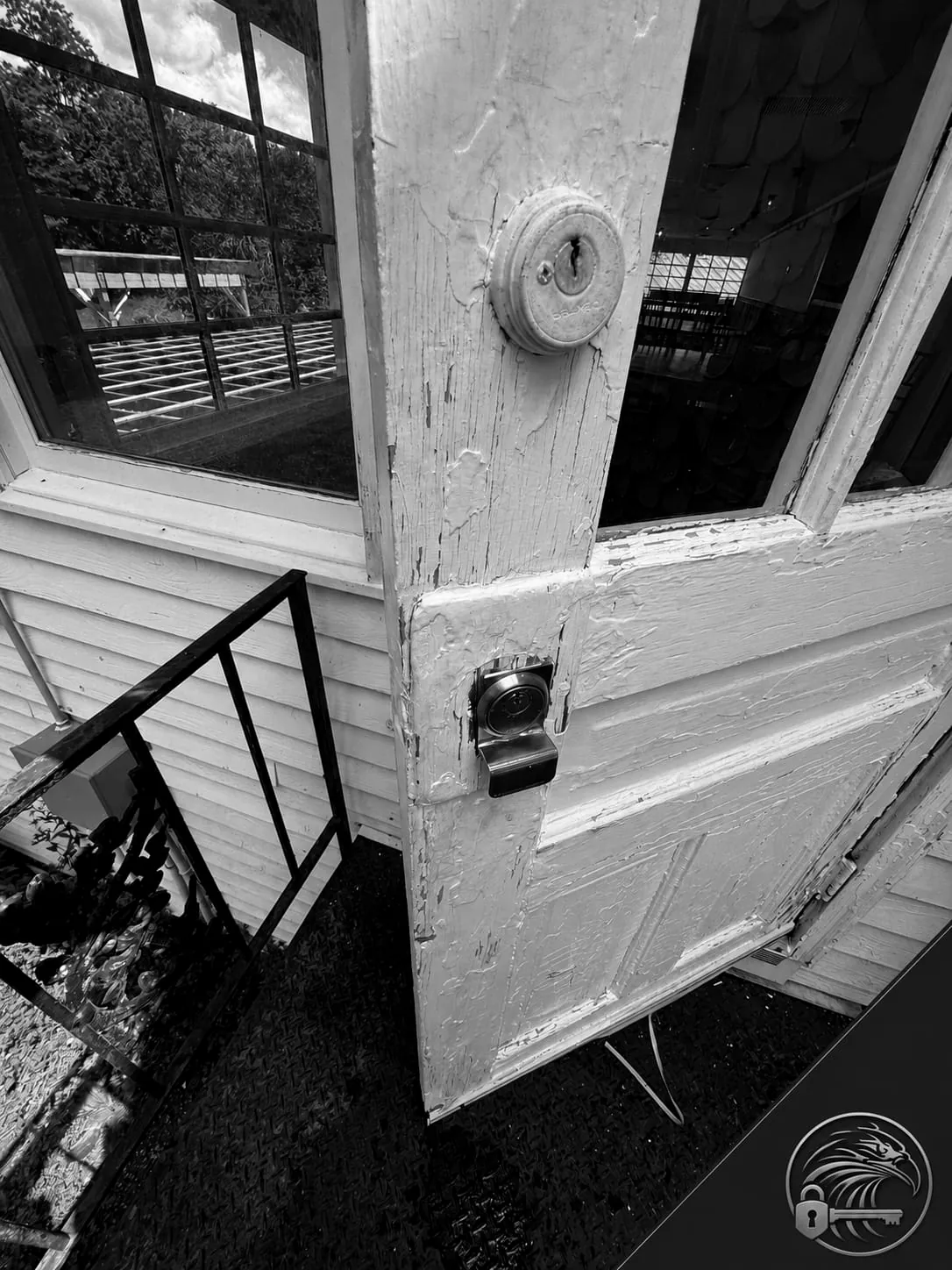
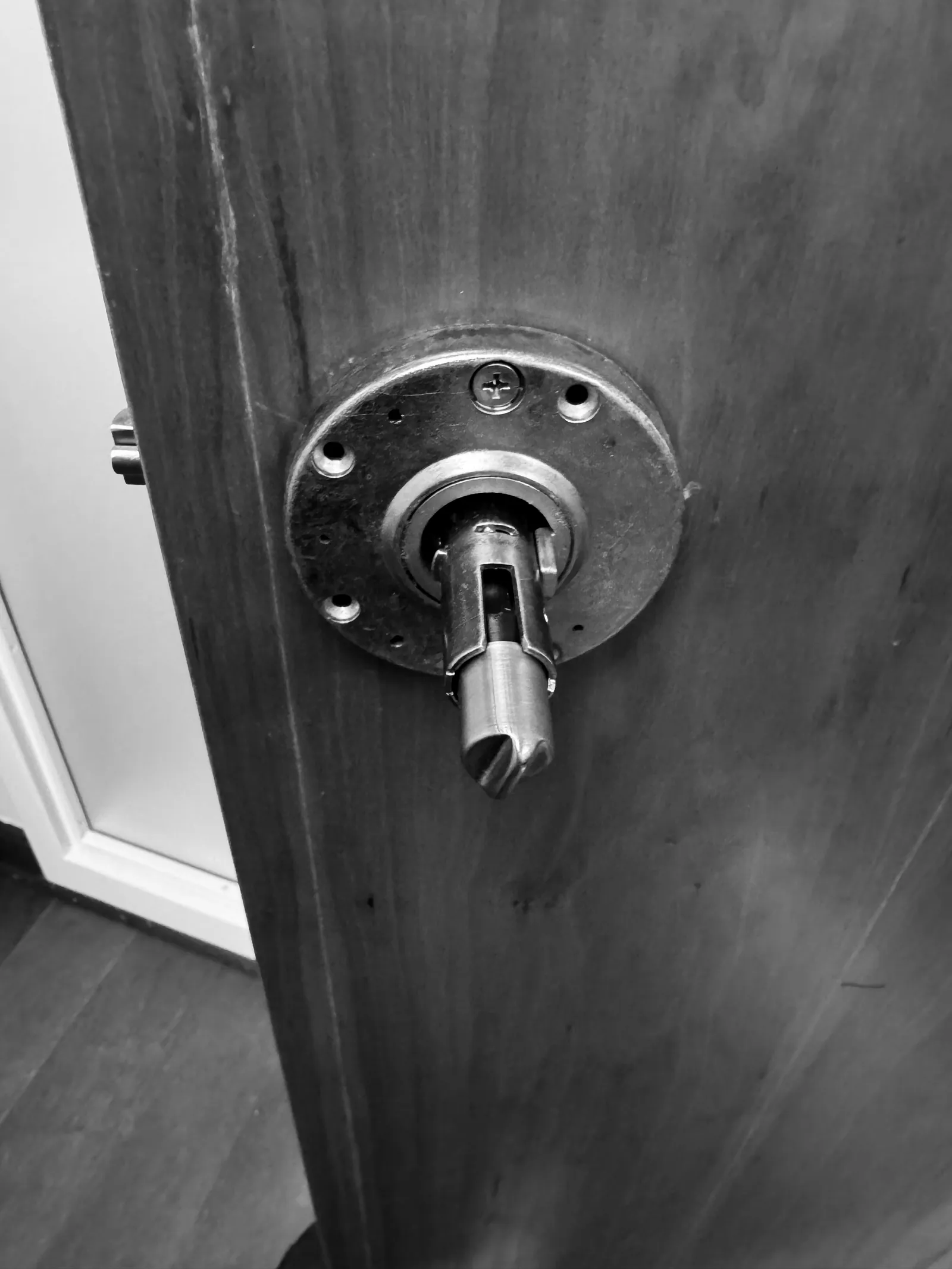
It happens at the worst addresses and the worst hours: the door clicks shut behind you at Reagan National's rideshare curb, the keypad dies in a Ballston parking garage at midnight, the key snaps in a Clarendon rowhouse lock in January. Here is what a professional response actually looks like — and what should make you hang up on anyone who does it differently.
First: proof, then picks
A legitimate locksmith verifies that you have the right to enter — an ID plus something tying you to the address or the vehicle. This is not bureaucracy; it is the exact step that separates a locksmith from a burglar with a business card. Expect it, and be suspicious of any operator who skips it.
Non-destructive is the default
Most residential and automotive locks open with picks, decoders or bypass tools that leave the lock fully functional. Drilling has exactly two legitimate homes: high-security cylinders designed to resist picking, and hardware that has mechanically failed. If the first tool out of the bag is a drill, the second call you make should be to somebody else.
The five minutes after you are in
A good technician closes the loop: why did this happen? A worn key, a dry cylinder, a door sagging against its strike. The fix is usually small — a fresh key cut to code, lubricant of the correct type, a strike adjusted by an eighth of an inch. Skip this step and the same lockout recurs, usually within the month.
What to have ready when you call
Your location (a street address beats a dropped pin in a garage), the type of lock if you know it, and whether anyone is locked inside — that changes the priority completely. Dispatch for all of Northern Virginia runs on (571) 410-4035, around the clock.
Locksmith questions in Virginia?
Talk to the crew: (571) 410-4035 — or find your city in the coverage register.