Within a few miles of the Atlantic, a lock lives a harder life than anywhere else in Virginia. Salt aerosol settles on every surface, wicks into keyways, and starts chemistry that does not stop between beach trips. Hampton Roads homeowners cannot change the air — but they can stop feeding it cheap hardware.
How salt kills a lock
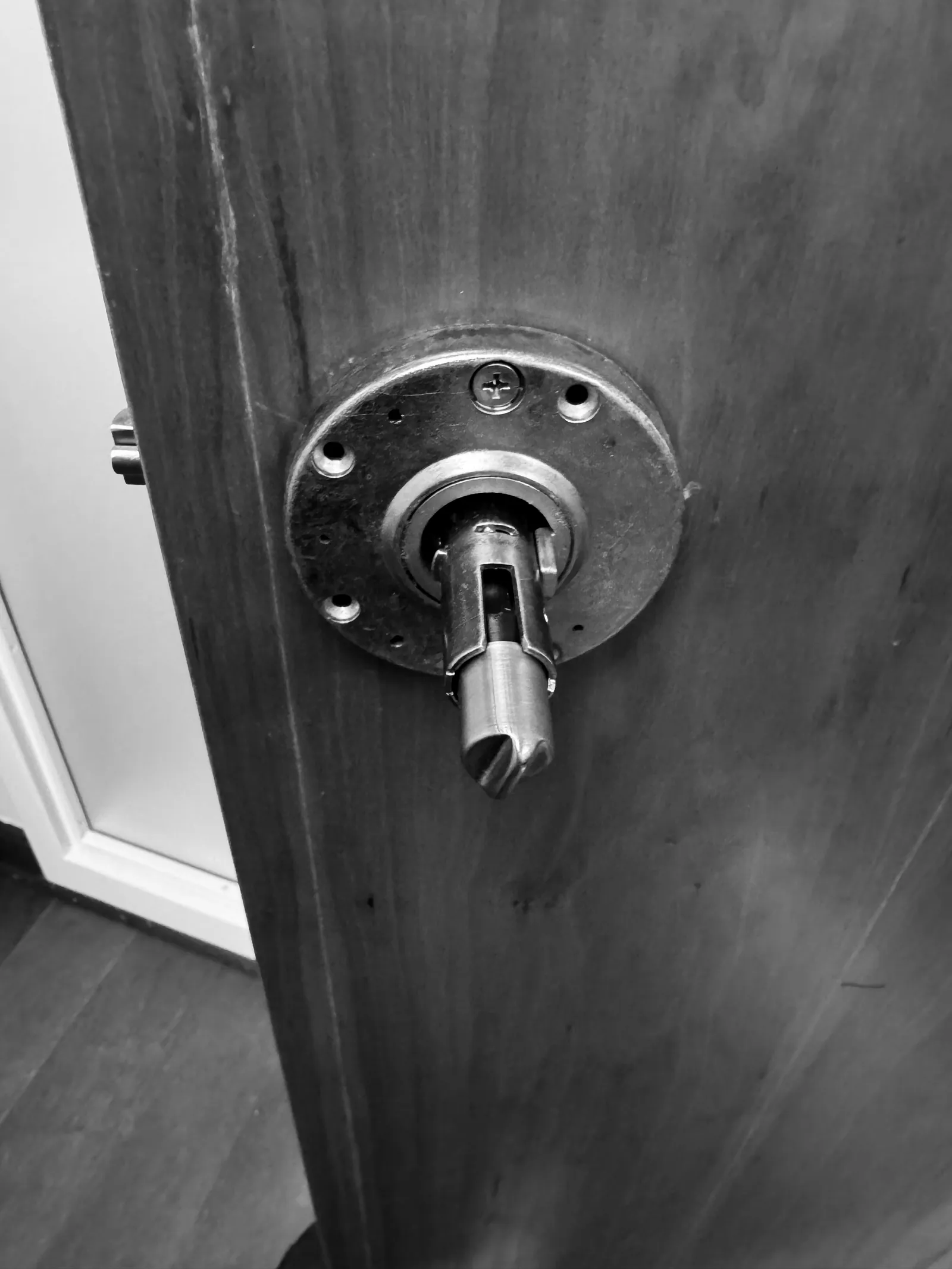
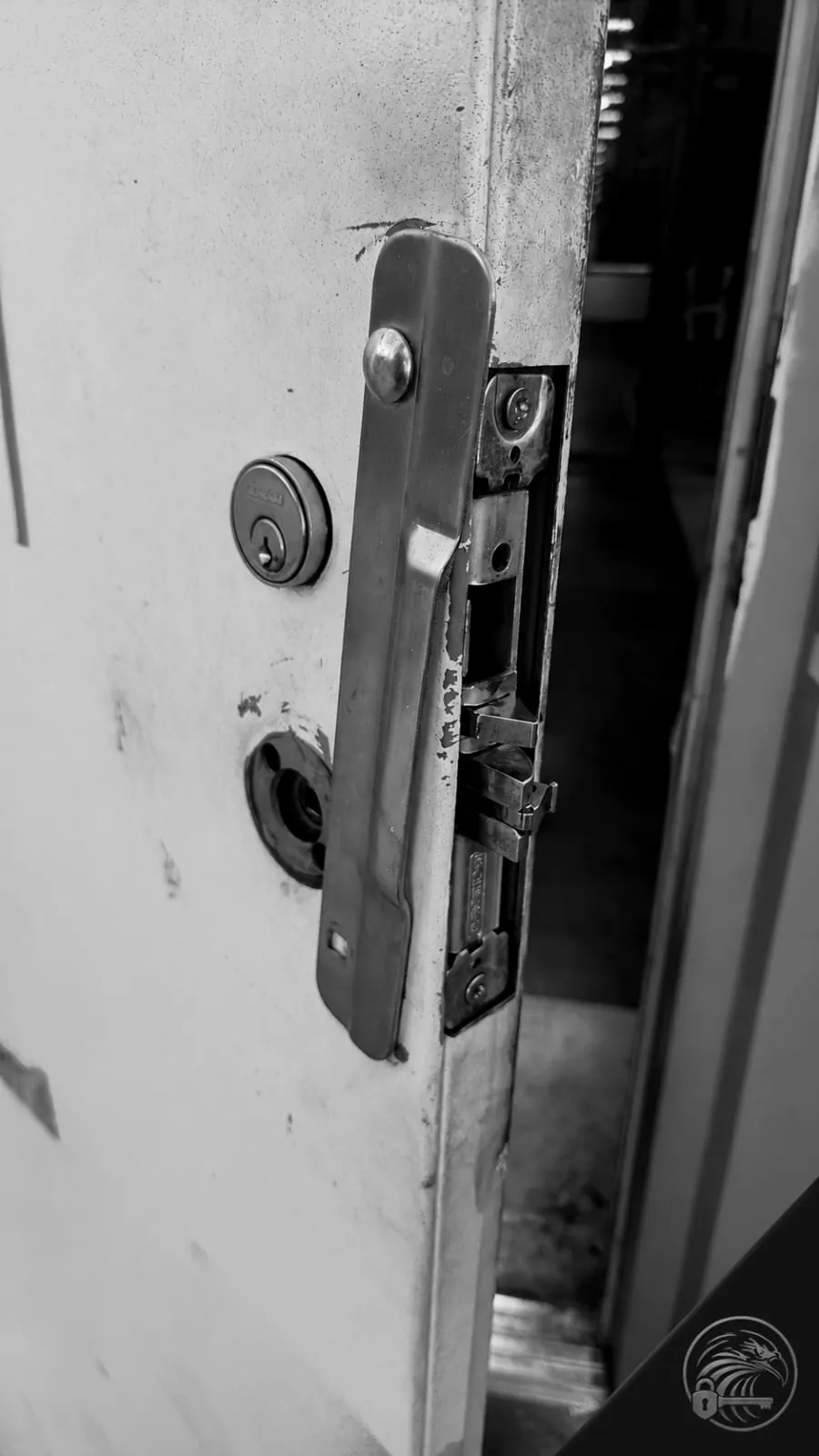
Chloride corrosion attacks the soft metals first: zinc die-cast bodies pit, steel springs rust and snap, and the fine tolerances inside a cylinder fill with corrosion products until the key feel turns to gravel. The end stage is familiar at the Oceanfront — a key that will not go in, or worse, goes in and does not come back out whole.
Materials that survive
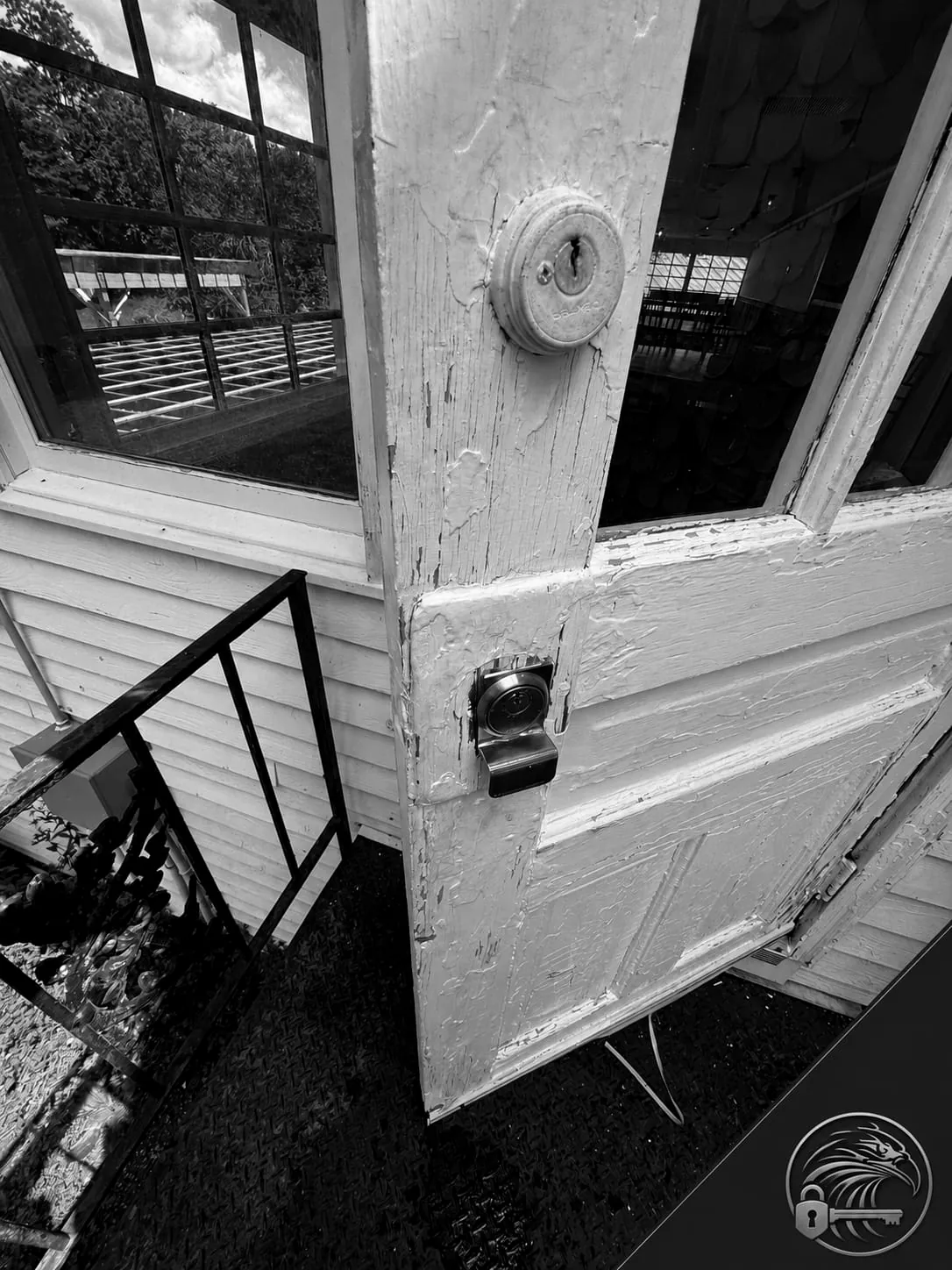
Solid brass and stainless steel are the honest choices near the water; marine-grade finishes on quality bodies are the next best. What fails fastest is the shiny bargain lock whose finish photographs well and whose body is pot metal underneath. When we replace a failed lock within smelling distance of the Bay, we show the owner the corroded remains — the lesson sells itself.
The maintenance habit
A lock-specific dry lubricant in the keyway twice a year, a rinse-and-dry for exterior hardware after major storms, and attention the first time a key starts to feel rough: that rhythm doubles or triples hardware life in Sandbridge, Bayside and the Bay-front neighborhoods. It is ten minutes of prevention against a midnight extraction.
Plan for the empty weeks
Second homes sit unopened for weeks — exactly long enough for corrosion to set a neglected cylinder solid. A pre-season servicing visit, before the first rental or the first family trip, is the standing answer. Hampton Roads dispatch runs on (571) 410-4035, day and night.
Locksmith questions in Virginia?
Talk to the crew: (571) 410-4035 — or find your city in the coverage register.